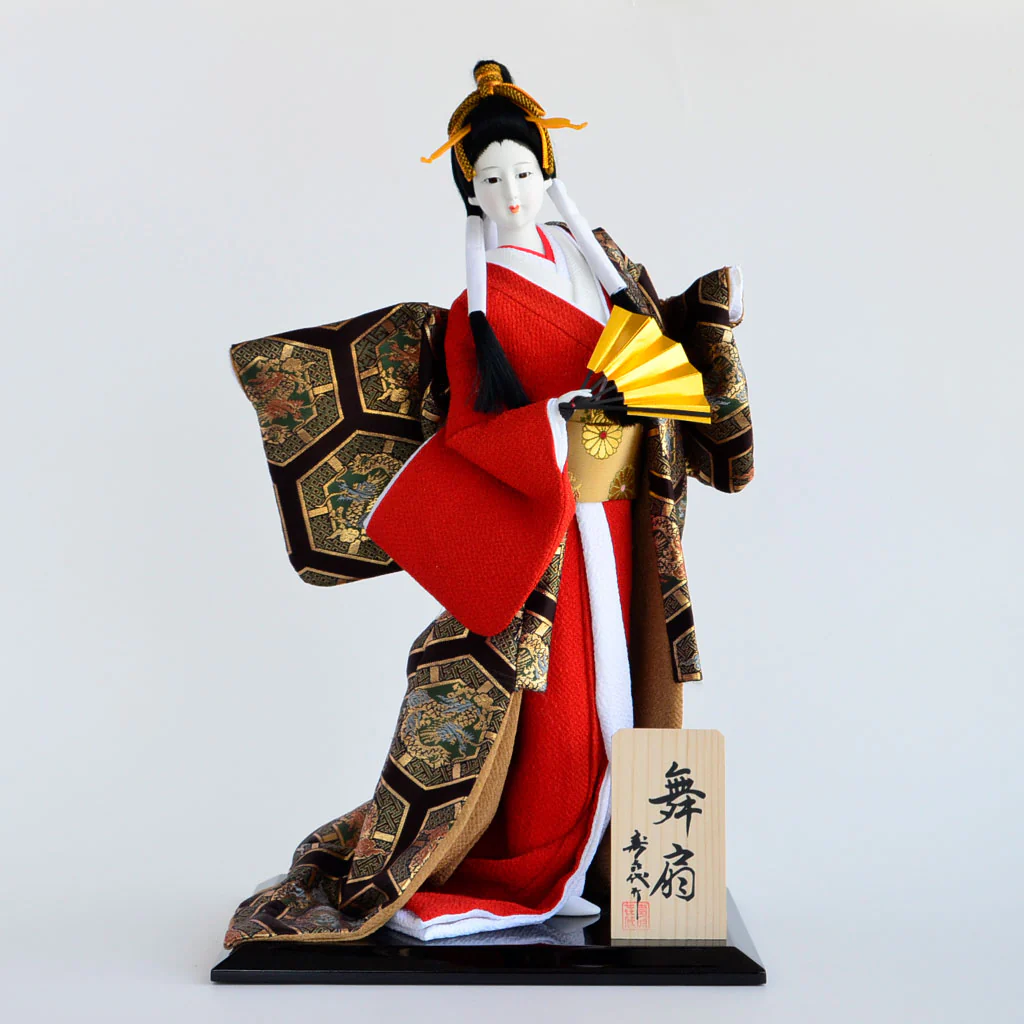

The phrase japan doll represents a remarkable tradition that blends spirituality, craftsmanship, storytelling, and modern creativity. For hundreds of years, dolls in Japan have carried cultural meaning far beyond simple decoration or play. They have symbolized protection, celebration, refinement, and artistic excellence. Today, the japan doll continues to evolve while remaining deeply connected to its historical roots.
The Spiritual and Cultural Origins
The earliest forms of the japan doll were linked to ancient purification rituals. Simple figures made of straw or paper were believed to absorb illness and bad fortune. After serving their purpose, these dolls were released into rivers, symbolizing the removal of negative energy. This early spiritual function established the doll as a protective and symbolic object.
As Japanese society developed, dolls became more elaborate and artistic. During classical court periods, finely crafted dolls represented noble life and elegant fashion. Wealthy families displayed them as symbols of culture and harmony within the household. The japan doll gradually transformed from a ritual item into a treasured decorative art form.
Festivals That Celebrate the Japan Doll
Seasonal traditions have played a major role in preserving the japan doll. One of the most important celebrations is Hina Matsuri, held annually on March 3rd. Families display tiered arrangements of imperial court dolls dressed in layered silk garments. Each doll has a designated place and meaning, expressing wishes for a daughter’s happiness and future success.
Another significant occasion is Children’s Day, celebrated on May 5th. During this time, warrior dolls may be displayed to represent bravery and determination. These seasonal displays demonstrate how the japan doll remains woven into family life and generational tradition.
Traditional Craftsmanship and Materials
Creating a traditional japan doll requires extraordinary attention to detail. Artisans carefully carve wooden forms or mold clay bases before applying layers of natural materials. The face is often coated with a smooth white finish derived from crushed oyster shells, producing a porcelain-like glow.
Miniature kimono are crafted using authentic textile techniques, complete with precise folds and decorative patterns. The hairstyles are styled from silk threads to reflect historical accuracy. Each expression is painted by hand, capturing calmness and grace.
Regional styles enrich the tradition. Kokeshi dolls, known for their simple cylindrical bodies and painted floral motifs, offer a minimalist contrast to the elaborate Kyoto-style court dolls. This diversity makes the japan doll tradition both varied and distinctive.
Modern Interpretations and Global Influence
In modern times, the japan doll has expanded into new creative territories. The growth of anime and video game culture has inspired collectible character dolls and figures. Popular franchises such as Doraemon and Jujutsu Kaisen have generated highly detailed figurines admired by fans worldwide.
These contemporary dolls are often made from vinyl or resin, allowing for lifelike details and poseable joints. Limited-edition releases create excitement among collectors, while online communities encourage customization and artistic photography.
Despite modern influences, traditional doll-making workshops continue to operate, preserving classical techniques. Some contemporary artists blend traditional kimono designs with modern themes, ensuring that the japan doll remains culturally relevant.
Collecting and Preservation
Collectors of the japan doll often value historical authenticity, condition, and craftsmanship. Antique festival dolls can hold significant historical importance, while modern limited editions attract global fans. Proper care is essential—protecting dolls from sunlight, humidity, and dust helps preserve delicate fabrics and painted surfaces.
Many collectors use glass display cases to maintain a stable environment. Documentation such as certificates of authenticity also enhances value and credibility.
A Timeless Cultural Symbol
The japan doll endures because it represents a harmonious balance between past and present. It tells stories of ancient rituals, imperial elegance, regional artistry, and modern imagination. Each doll, whether traditional or contemporary, reflects Japan’s dedication to precision and aesthetic beauty.
As appreciation for Japanese culture continues to expand globally, the japan doll remains a powerful symbol of heritage and creativity. Its journey from sacred ritual figure to worldwide collectible highlights the timeless appeal of miniature art crafted with patience, skill, and meaning.