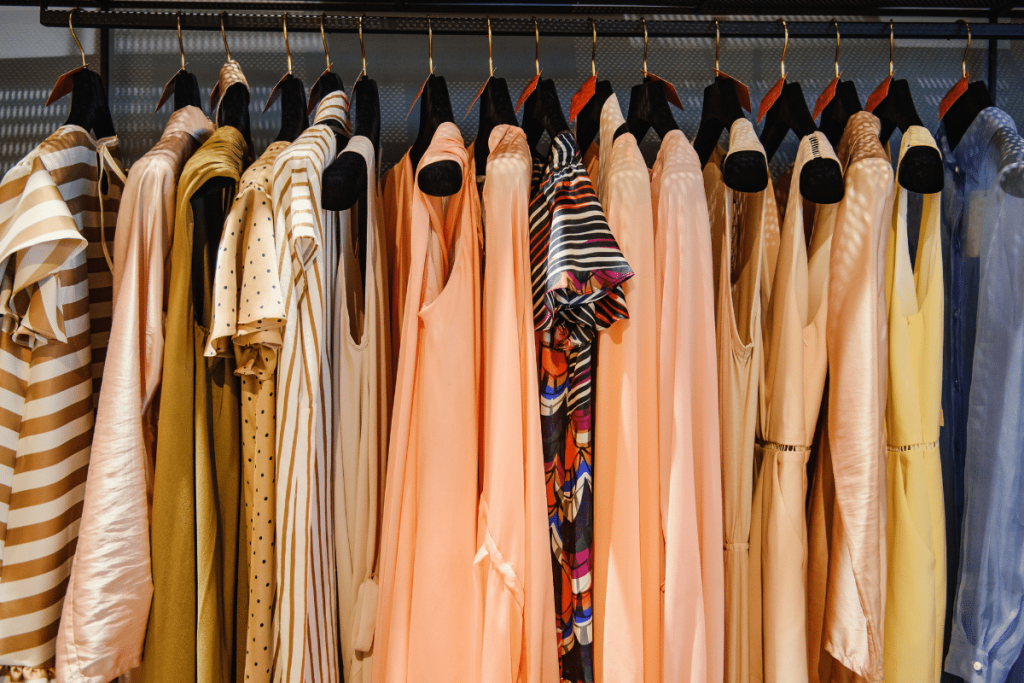

Luxury fashion houses have long represented discount designer brands online the highest level of craftsmanship, creativity, and exclusivity in the fashion industry. These prestigious brands are more than just clothing labels; they are cultural institutions that shape trends, influence lifestyles, and symbolize status across the globe. From handcrafted leather bags to haute couture gowns, luxury fashion houses continue to define sophistication and artistic excellence in the modern world.
The origins of luxury fashion houses date back centuries, particularly in Europe, where skilled artisans began creating custom garments for royalty and aristocrats. Over time, these workshops evolved into globally recognized brands known for their heritage and innovation. Today, names such as Chanel, Louis Vuitton, Gucci, and Hermès dominate the luxury market and remain symbols of wealth, refinement, and timeless style.
One of the defining characteristics of luxury fashion houses is their commitment to exceptional craftsmanship. Unlike mass-produced clothing brands, luxury houses emphasize quality materials, detailed handwork, and unique designs. Skilled artisans often spend hours or even days creating a single product, ensuring perfection in every stitch and finish. This dedication to quality not only enhances the durability of the products but also increases their emotional and artistic value. Customers are not simply buying a product; they are investing in history, artistry, and prestige.
Another important aspect of luxury fashion houses is exclusivity. Limited collections, high prices, and carefully controlled distribution create a sense of rarity and desirability. Luxury brands understand that exclusivity increases demand and strengthens brand identity. Many consumers purchase luxury items to express individuality, success, and social status. Carrying a designer handbag or wearing a couture dress often communicates sophistication and financial achievement.
Luxury fashion houses are also influential trendsetters in the global fashion industry. Every season, fashion enthusiasts eagerly anticipate runway shows in cities such as Paris, Milan, London, and New York. These events showcase innovative designs that often shape mainstream fashion trends for years to come. Designers working for luxury brands are viewed as artists and visionaries who redefine beauty and style through their collections.
The rise of celebrity culture and social media has further strengthened the power of luxury fashion houses. Celebrities, influencers, and public figures frequently collaborate with luxury brands, helping them reach younger audiences worldwide. Red carpet appearances, fashion campaigns, and online promotions generate excitement and increase brand visibility. Platforms like Instagram and TikTok have transformed luxury fashion into a digital experience where millions of users engage with trends instantly.
Despite their glamour and prestige, luxury fashion houses face several challenges in the modern era. Sustainability has become one of the biggest concerns in the fashion industry. Consumers are increasingly demanding ethical production methods, environmentally friendly materials, and fair labor practices. In response, many luxury brands are investing in sustainable fashion initiatives, reducing waste, and adopting eco-conscious strategies. Some brands now use recycled materials, support local craftsmanship, and promote circular fashion through resale and repair services.
Counterfeiting is another major issue affecting luxury fashion houses. Fake designer products are sold globally, damaging brand reputation and causing financial losses. To combat this problem, luxury brands are investing in advanced authentication technologies, including digital certificates and blockchain systems. Maintaining authenticity and exclusivity remains essential for preserving consumer trust and brand value.
In addition, changing consumer preferences are reshaping the luxury market. Younger generations, particularly Millennials and Generation Z, prioritize experiences, sustainability, and individuality over traditional symbols of wealth. Luxury fashion houses are adapting by embracing diversity, digital innovation, and streetwear influences. Collaborations between luxury brands and sportswear companies have become increasingly popular, blending high fashion with casual culture.
The economic influence of luxury fashion houses is enormous. These companies generate billions of dollars annually and contribute significantly to tourism, employment, and global trade. Flagship stores located in major cities attract millions of visitors every year, while luxury fashion weeks boost local economies and media attention. The luxury industry also supports a vast network of artisans, designers, photographers, marketers, and manufacturers around the world.
Cultural influence is another powerful aspect of luxury fashion houses. Fashion reflects social values, historical movements, and artistic expression. Luxury brands often draw inspiration from art, architecture, music, and cultural heritage to create collections that resonate emotionally with audiences. Museums and exhibitions frequently showcase iconic fashion pieces as works of art, highlighting the deep connection between fashion and culture.
Furthermore, luxury fashion houses have expanded beyond clothing and accessories into beauty products, fragrances, jewelry, hotels, and lifestyle experiences. This diversification allows brands to strengthen customer loyalty and increase global reach. Consumers can now experience luxury through perfumes, cosmetics, watches, and even luxury hospitality services connected to famous fashion labels.
Technology is also transforming the future of luxury fashion. Artificial intelligence, virtual reality, and digital fashion shows are changing how brands interact with consumers. Online shopping platforms and virtual showrooms have made luxury fashion more accessible to international customers. Some brands are even exploring digital clothing and virtual fashion items for use in online gaming and the metaverse.
However, the essence of luxury fashion houses remains rooted in heritage, creativity, and emotional storytelling. Consumers are drawn to the narratives behind iconic brands — stories of visionary founders, legendary craftsmanship, and timeless elegance. These emotional connections create loyalty that extends across generations.
In conclusion, luxury fashion houses continue to hold a unique position in global culture and commerce. They represent more than expensive clothing; they embody artistry, innovation, exclusivity, and identity. As the fashion industry evolves, luxury brands must balance tradition with modern values such as sustainability, inclusivity, and digital transformation. Despite changing trends and economic challenges, luxury fashion houses remain enduring symbols of prestige and human creativity, inspiring millions of people around the world with their vision of beauty and excellence.