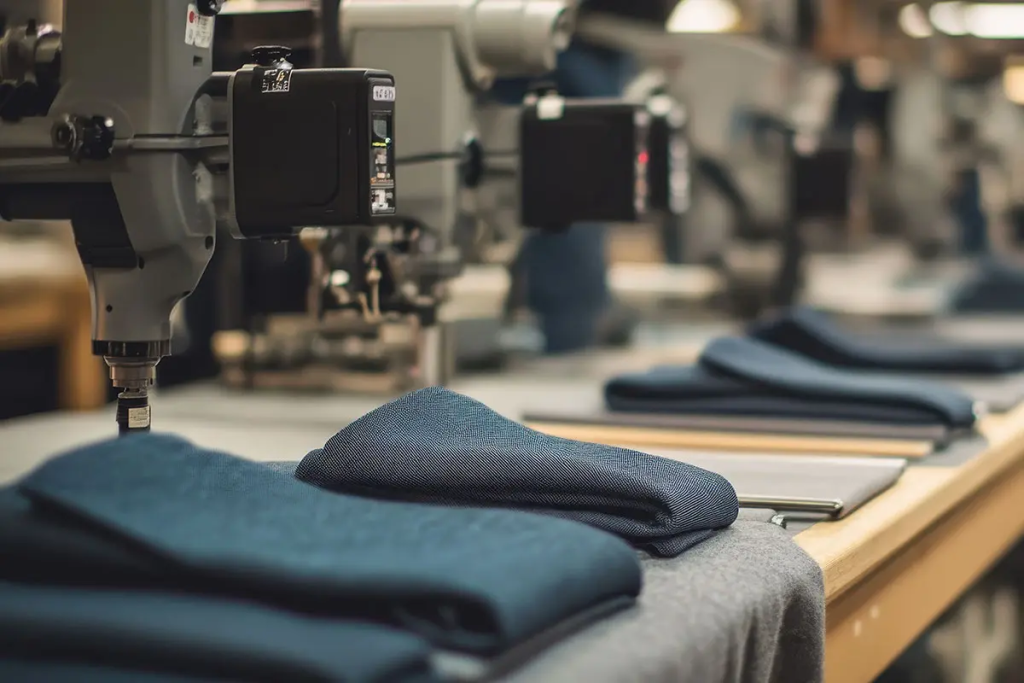

The global textile industry is currently navigating a period of rapid transformation. As consumer expectations for durability and sustainability rise, manufacturers are under immense pressure to deliver flawless products. At the heart of this quality assurance revolution is the textile tester. This is no longer just a mechanical device tucked away in a dusty corner of a factory; it has evolved into a sophisticated, data-driven instrument essential for modern production. Companies like ChiuVention are leading this charge by integrating digital ecosystems into every textile test performed, ensuring that “quality” is a measurable, repeatable, and transparent metric.
The Shift to Smart Testing Ecosystems
For decades, the standard textile tester operated in isolation. A technician would manually load a sample, record the result on paper, and then manually input that data into a spreadsheet. This process was rife with opportunities for human error and data silos. Today, the landscape is different. Modern testing involves a connected environment known as “Smart Testing.” By utilizing IoT (Internet of Things) technology, a single textile tester can now communicate with a central management system like SmarTexLab.
When a technician initiates a textile test, the machine automatically identifies the sample via RFID or QR codes. This ensures that the correct testing standards—whether ISO, ASTM, or AATCC—are applied without manual configuration. The result is a 50% increase in laboratory efficiency. This digital thread allows brands to track the quality of a garment from the raw fiber stage all the way to the retail shelf, providing a level of transparency that was previously impossible. Furthermore, the integration of these systems allows for predictive maintenance; the textile tester itself can notify the manufacturer if a component is nearing the end of its lifecycle, preventing unexpected downtime in a high-pressure production environment.
Precision Engineering and Global Standards
The reliability of a textile tester is defined by its precision. In a globalized supply chain, a textile test conducted in a mill in Southeast Asia must produce the exact same results as a test conducted in a headquarters in Europe. This requirement for “high reproducibility” is why engineering standards are so rigorous. ChiuVention’s instruments are developed by a team of German experts, ensuring that every sensor and motor operates with surgical accuracy.
For instance, when measuring the air permeability or tensile strength of a fabric, a variation of even 1% can lead to a product being rejected by a major retailer. High-quality testing equipment undergoes 360-degree reliability testing, including exposure to high-temperature and high-humidity environments, to ensure a service life of at least eight years. This durability ensures that the textile tester remains a stable pillar of the quality control process, providing consistent data that manufacturers can trust to make critical production decisions. By adhering to international benchmarks, these machines act as a universal language between the manufacturer and the brand, eliminating disputes over material quality.
Sustainability and the Future of Fabric Analysis
Sustainability is no longer a buzzword; it is a business mandate. One of the most effective ways to improve sustainability is to reduce waste caused by defective goods. By performing a rigorous textile test early in the manufacturing cycle, factories can identify issues like excessive shrinkage or poor color fastness before thousands of yards of fabric are wasted.
Advanced textile tester models allow for “non-destructive” or highly efficient testing that minimizes sample waste. Furthermore, by digitizing the results, companies can analyze long-term quality trends. If a certain fiber blend consistently fails a pilling test, the data allows designers to adjust the composition before production begins. This proactive approach, powered by intelligent testing, is the key to creating a more circular and responsible textile economy. As we move toward the next decade, the integration of AI into the textile tester will further refine these predictions, making the “perfect fabric” a scientific reality rather than a lucky guess.
Enhancing Consumer Trust Through Data
In the age of social media and instant reviews, a single quality failure can tarnish a brand’s reputation overnight. The textile tester serves as the ultimate insurance policy. By providing empirical proof that a fabric meets its claimed specifications—whether that is UV protection, moisture-wicking capability, or flame retardancy—manufacturers can back up their marketing claims with hard data.
The digital reports generated after a textile test can be shared instantly with stakeholders, providing a transparent “quality certificate” for every batch. This level of detail builds immense trust with consumers, who are increasingly looking for evidence of product longevity and performance. Ultimately, the modern textile tester is not just a tool for measurement; it is a tool for brand building, ensuring that every garment that leaves the factory is a testament to the manufacturer’s commitment to excellence.